
Use your irritation
An interview on lessons learned from great comics like Jerry Seinfeld and Mitch Hedberg.

David Perell: “Robert Mac is on the show today to teach us what he’s learned from great comics like Jerry Seinfeld and Mitch Hedberg.”
David (16:00–16:45): It’s funny because you talk about “winning isn’t funny.” It’s amazing how many comedians instantly hit it off with an audience. I’m not saying they’re the funniest ones, but I’m saying they’re the ones that create the most connection in 20 seconds. They have something about them. They’re maybe a little overweight. They have a weird voice. They have a kind of a lame walk or something. They know this about themselves, and then they sort of exaggerate it as they come up on stage. Then they just mention it right away, like, “I know I need to lay off the carbs. I know.” All of a sudden, everyone starts laughing. It’s an instant connection, whereas a lot of times when I go to a comedy show, it’s a struggle to connect with the person because they’re too perfect, too refined.
Robert Mac (16:47–16:58): I would say to your first point, if you can get a laugh, a joke is a setup and then a punchline. If the setup is something that you don’t have to say...If you walk out on stage, and the guy’s seven feet tall, he has a joke about being seven feet tall. He doesn’t have to say, “Hey, everybody in the audience who’s looking at me, I’m taller than...” He can automatically do the punchline because the setup is visual and unspoken, and the audience knows it before he’s even taken the mic.
A story isn’t everything that happened. The story is only the important things that happen that keep the plot going.
On using your irritation:
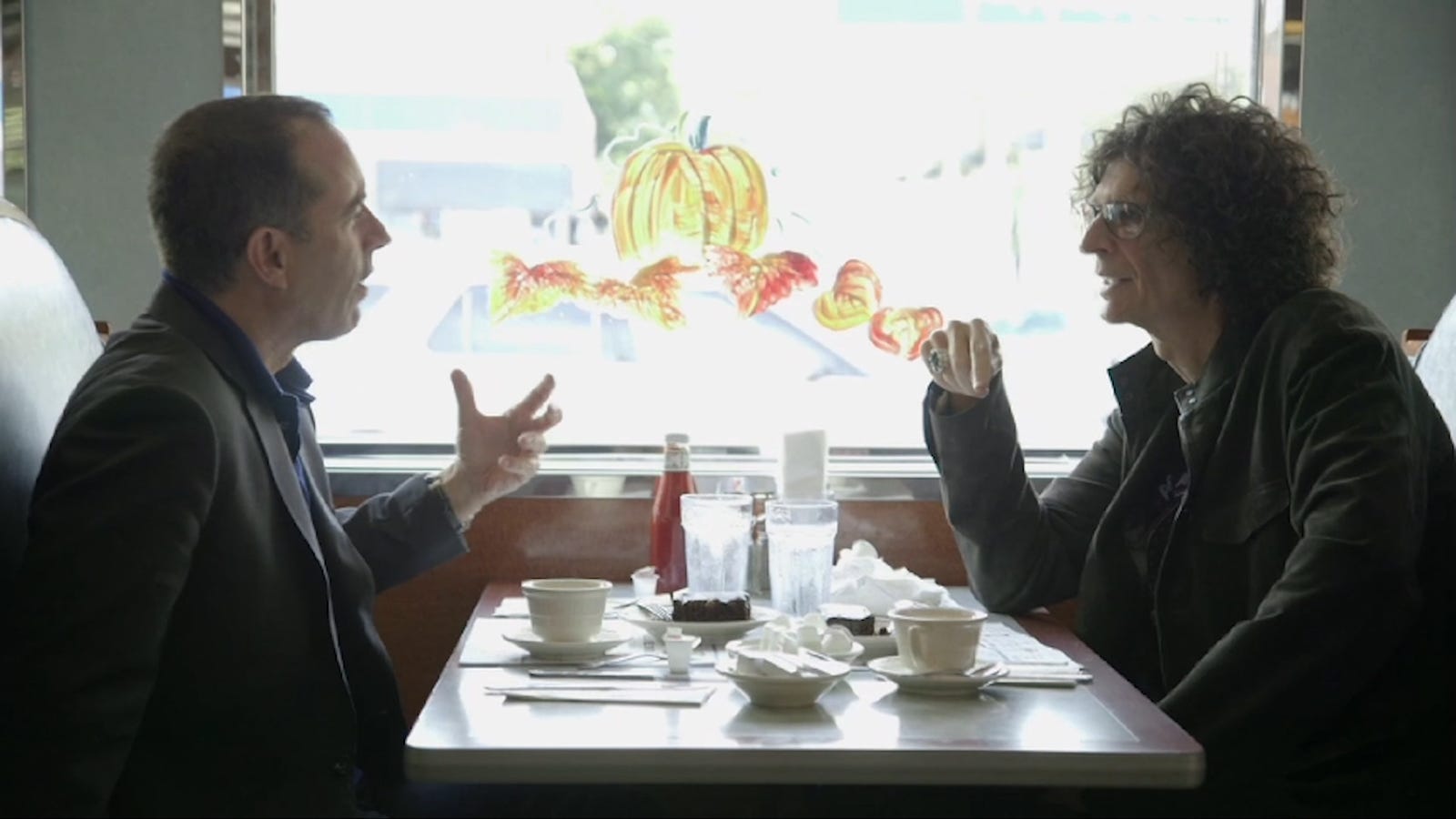
David (34:23–35:04): Seinfeld did an interview with Howard Stern, and he talked about how a lot of good comedy comes from being a bit irritable, kind of constantly irritable, and being sensitive to what drives you insane. You’re just way more irritable than the average person. But then you play with that, you work with that, and that leads to the joke. It’s universally funny when someone’s like, hey, you know this thing? It’s kind of annoying when they do that. You’re like, yeah, yeah, yeah.
Robert Mac (35:04–36:01): It’s the laugh of recognition. Something that you’ve experienced that I’m identifying. That’s one of the laugh triggers, recognizing something. If I said, who here remembers dial-up modems? And people in the audience go, yeah, yeah, I remember that. They laugh. It’s not funny, but that recognition starts the joke, starts the laugh process. I would say one of the first skills a comedian has is being an observer. They take note of stuff, and they write notes down. If you’re a sensitive observer, maybe you get annoyed easily, and you twist that truth that you’ve recognized and make it exaggerated. You somehow tweak it so other people can see the humor in that. These are all steps along the process of writing a joke: you notice it, you exaggerate it, and you represent it to the audience in a way that makes it entertaining.
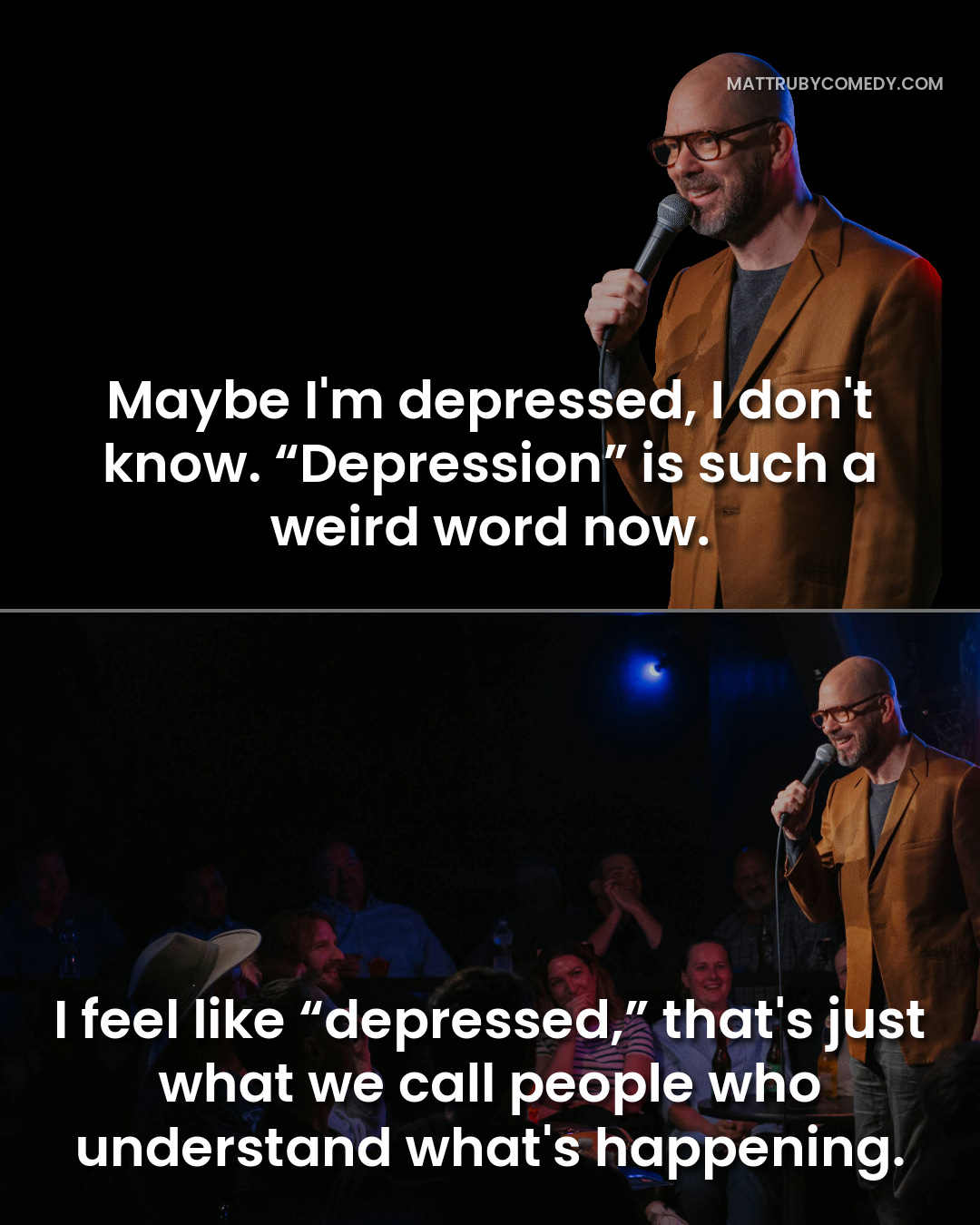

I like how you squeezed three punchlines out of that one. “Connecting the dots,” that made me laugh again.